
If there is one phrase that causes more confusion, bad decisions, and denied expectations than almost anything else in insurance, it’s this:
“I have full coverage.”
The problem is simple.
“Full coverage” is not an insurance term. It has no legal definition. No standard meaning. No guaranteed set of protections.
And yet, millions of people make insurance decisions based on it.
This article explains what liability coverage actually is, what people usually mean when they say “full coverage,” why the distinction matters, and how misunderstanding this concept leads to real financial damage.

Why This Confusion Exists in the First Place
Insurance is sold in bundles, but risk doesn’t work that way.
People want a yes or no answer:
Am I covered or not?
Will insurance pay or not?
So the industry adopted shorthand language. “Liability only.” “Full coverage.” Easy to say. Easy to sell. Terrible for understanding.
Over time, “full coverage” became a catch-all phrase people use to mean:
“I’m protected”
“The bank required this”
“I pay more, so it must be better”
None of those are guarantees.
What Liability Coverage Actually Is
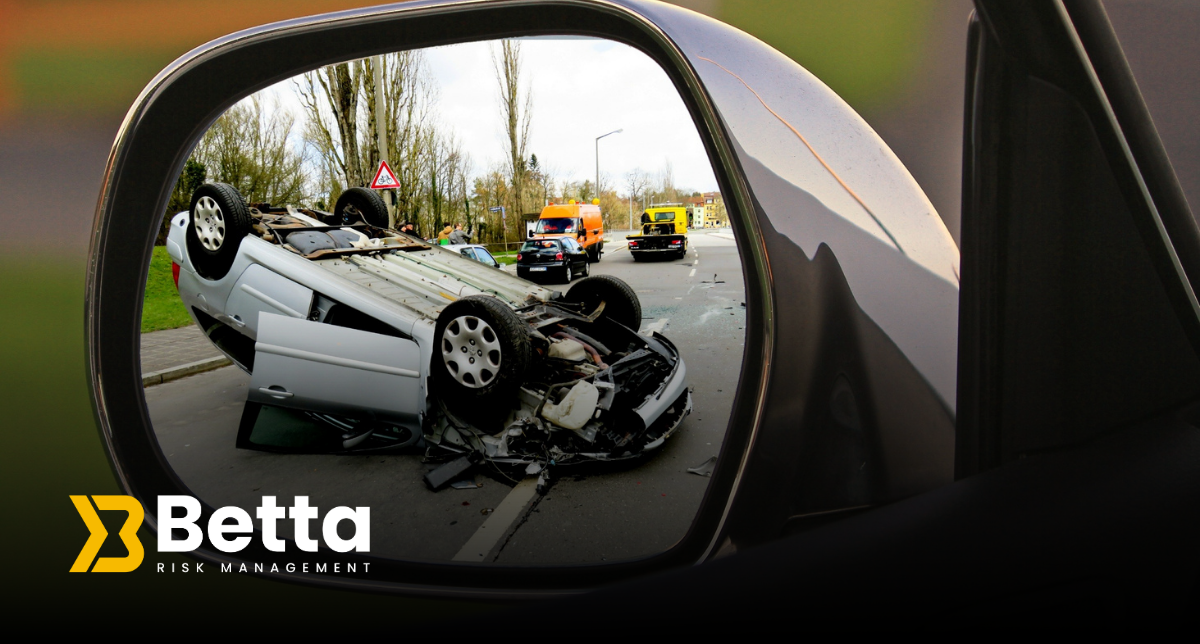
Liability coverage exists to protect you from the financial consequences of harm you cause to others. It pays for injuries to other people, damage to their property, and the legal defense required if you are sued. Liability does not protect your body, your property, or your losses. Its sole job is to shield your assets and income from claims made against you. Once liability limits are reached, the insurance company’s obligation ends, and any remaining financial responsibility becomes yours.
What Liability Covers
Liability coverage pays for:
Injuries you cause to other people
Damage you cause to other people’s property
Legal defense costs if you are sued
This applies in:
Auto insurance
Homeowners insurance
Renters insurance
Commercial and professional policies
What Liability Does NOT Cover
Liability coverage does not pay for:
Your injuries
Your property
Your losses
Your vehicle
Your building
Your equipment
It protects others from you, not you from loss.
This distinction is critical.
Why Liability Is Required by Law (and Often Not Enough)
States require liability insurance because without it, accidents would leave injured parties unpaid.
But state-required minimum limits are usually designed to:
Meet legal requirements
Reduce uninsured losses
Keep insurance affordable
They are not designed to fully protect your assets.
A single serious injury can exceed minimum limits very quickly.
Once liability limits are exhausted:
The insurance company is done
You are personally responsible for the rest
This is where lawsuits, wage garnishment, and asset exposure come into play.
Press enter or click to view image in full size

What People Usually Mean by “Full Coverage”
When someone says they have “full coverage,” they usually mean:
Liability coverage
Plus coverage for their own property
In auto insurance, that usually means:
Liability
Collision
Comprehensive
In homeowners insurance, it might mean:
Dwelling coverage
Personal property coverage
Liability coverage
But here’s the key point:
Even with all of those, coverage is still limited, conditional, and full of exclusions.
Press enter or click to view image in full size

Why “Full Coverage” Is a Dangerous Assumption
“Full coverage” creates false confidence.
People assume:
Any loss will be covered
Any accident will be paid
Any damage is someone else’s problem
That’s how surprises happen.
Insurance only pays when:
The loss is covered
The cause of loss qualifies
Limits are sufficien
Deductibles are met
Policy conditions are followed
“Full coverage” does not override any of that.
Press enter or click to view image in full size

A Realistic Scenario That Shows the Difference
You’re driving to work on a normal weekday morning. You’re not speeding. You’re not distracted. You make a left turn, misjudge the gap, and cause a serious collision.
The other vehicle carries a family of three.
Here’s what happens financially:
Ambulance transport for two passengers
Emergency room treatment
One passenger requires surgery
Ongoing physical therapy
Three months of lost wages
Total medical and related costs: $680,000
Damage to the other vehicle: $45,000
If You Have “Liability Only” Coverage
Your insurance pays up to your liability limits.
If your policy is:
$100,000 per person
$300,000 per accident
$50,000 property damage
Your insurer pays:
$300,000 toward injuries
$45,000 toward vehicle damage
The remaining $380,000 is your responsibility.
At that point:
Lawsuits are likely
Personal assets are exposed
Future income may be at risk
Your own vehicle damage is not covered at all.
If You Have “Full Coverage”
Now let’s say you have what most people call “full coverage”:
Liability
Collision
Comprehensive
Your collision coverage pays for your vehicle, minus the deductible.
But here’s the key part:
Nothing about “full coverage” increases your liability limits.
Your insurer still pays:
$300,000 toward injuries
$45,000 toward property damage
You still owe $380,000.
The only difference is that your car is repaired.
What This Scenario Actually Teaches
Liability limits matter far more than labels
“Full coverage” protects your car, not your finances
Underinsured liability exposure is where real damage happens
Property coverage does not solve lawsuit risk
This is why the right question isn’t:
“Do I have full coverage?”
It’s:
“What happens if this goes really wrong?”

Liability vs Property Coverage: Different Jobs
Think of insurance as separate tools, not one blanket.
Liability coverage protects your balance sheet from lawsuits
Property coverage protects your stuff from damage or loss
They solve different problems.
Having one does not mean you’re protected from the other.

Where People Get Hurt Financially
The most common failures happen when:
Liability limits are too low
Deductibles are misunderstood
Business use isn’t disclosed
Property values are underestimated
People rely on labels instead of numbers
These aren’t technical mistakes. They’re education gaps.
Press enter or click to view image in full size
The Question You Should Be Asking Instead
Instead of asking:
“Do I have full coverage?”
Ask:
What am I liable for?
What assets am I protecting?
What happens if this loss exceeds my limits?
What losses am I expected to absorb myself?
Those answers matter far more than labels.
Press enter or click to view image in full size
How This Applies to Business Owners
For businesses, this misunderstanding is even more dangerous.
Many business owners believe:
Their general liability covers everything
Their BOP protects against all losses
Their professional policy fills gaps automatically
It doesn’t.
Liability, property, professional, cyber, and parametric coverages all address different categories of risk.
No single policy is “full.”
Press enter or click to view image in full size
The Bottom Line
There is no such thing as full coverage.
There is only:
Properly structured coverage
Adequate limits
Clear understanding of exclusions
Realistic expectations
Liability coverage is essential, but it’s only one piece of the picture.
If your insurance decisions are based on labels instead of structure, you are exposed — whether you realize it or not.
Press enter or click to view image in full size
About Betta Risk Management
Betta Risk Management is an independent insurance and risk advisory firm working with individuals and businesses across multiple states.
We help clients:
Understand what their policies actually do
Identify where “full coverage” assumptions break down
Structure insurance around real financial risk
Avoid surprises when claims happen
Our focus isn’t selling more insurance.
It’s making sure your insurance actually works.
Press enter or click to view image in full size

Next Steps
If you’re not sure whether your coverage is truly protecting you, a quick review can make a big difference.
📧 [email protected]
📞 (470) 588–5254
Visit us at Bettarisk.com
Understanding this now is far cheaper than learning it after a loss.
Legal Disclaimer
This article is for informational purposes only and does not constitute insurance, legal, or financial advice. Coverage availability, limits, exclusions, and policy terms vary by carrier, policy form, and state. All insurance products are subject to underwriting approval and the terms of the issued policy. Consult a licensed insurance professional regarding your specific situation.
